
Published Aug. 08, 2025 01:24AM EDT
What to do When You Receive an IRS Letter
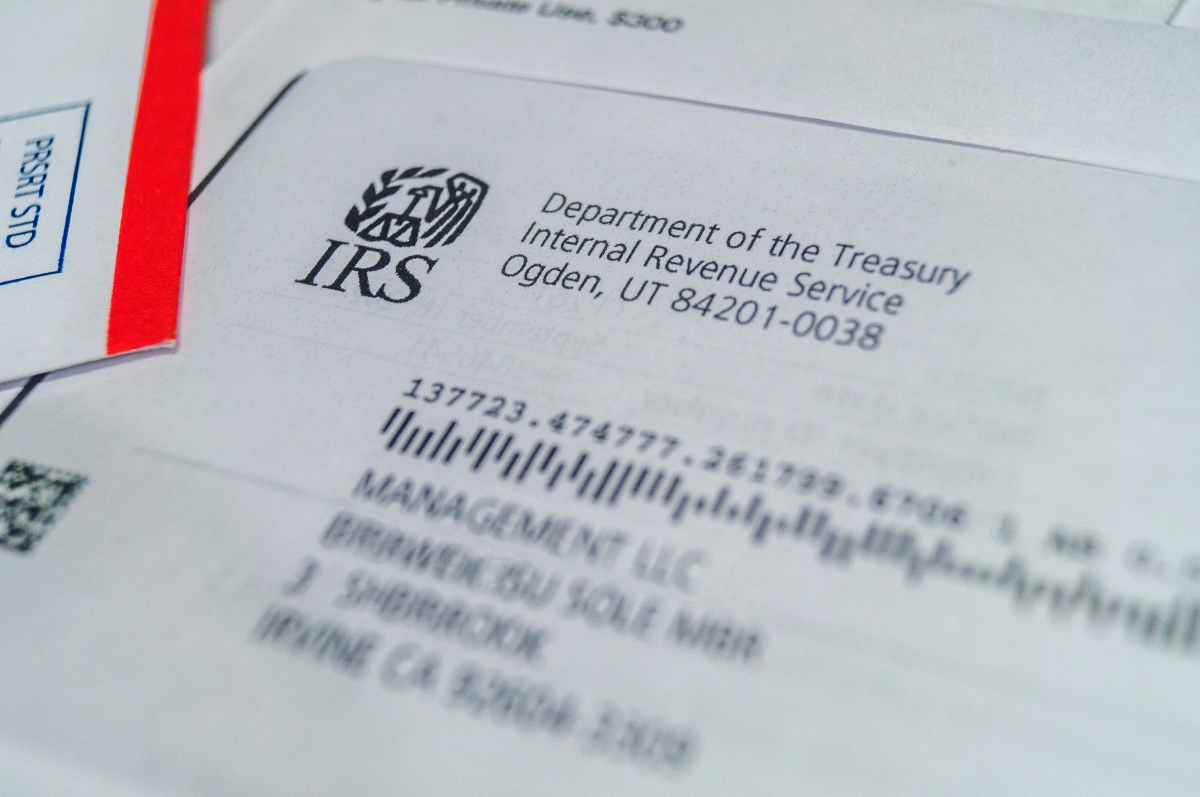
Do you have that sinking feeling in your gut when you see an envelope from the IRS? It happens to all of us. Rarely does an IRS letter have good news. Here, we outline the common reasons the IRS writes and some key points to think about when you read the letter.
Do not Procrastinate: Open the IRS Letter!
Open the IRS letter as soon as you receive it. This is critical because most IRS inquiries come with 30- or 90-day deadlines. If you miss these deadlines, it can impact your ability to dispute a change the IRS has made to a return you filed or liability that the IRS has determined you owe. The letter can also bring good news: the IRS may just need to verify your identity before is sends you your refund.
The actions you need to take will not go away by ignoring the letter on your counter. Open it!
Determine Why the IRS is Writing
There are a few general types of IRS letters, the most common of which are below.
- Underreported Income (CP2000 Letter). A CP2000 letter is one of the more common types. It is automatically generated by the IRS’s system. In short, the IRS compares the income you report on your tax return to the income that has been reported to the IRS for you from the payers (employers, banks, state governments, payment processors, etc). If your return is missing something, the system will assume it is valid income, add it to your return, and send you a tax bill.In this situation, assess whether the income was actually received, already reported, or is missing critical information. For the self-employed, it can often result in dramatic overstatements of income because the income reported lacks deductions for the costs incurred to generate the income.
- Audit Notice (556 Letter). A notice of an audit informs you that your return has been selected for further review. Audits come in two forms: a correspondence examination and a field examination. Correspondence reviews involve exchanging letters typically on one aspect of your return. Field examinations involve an in-person meeting with the IRS in which they’ll generally review your whole return in detail. Both can be time consuming but must be engaged with. The audit is the time the IRS is most open to persuasion.
- Note of Deficiency (CP3219N): This letter is sent when the IRS has determined there is a significant deficiency in your return. The letter is a critical one because it triggers a 90-day timeline in which you can dispute the determination. If not objected to before then, you can waive certain rights.
- Note of Federal Tax Lien Filing (LT11): These letters are serious. They inform you that the IRS is about to file a claim against property you own. The claim can be placed against real estate, vehicles, or investment accounts. These letters typically are sent only after several balance-due notices have been ignored.
Your Next Steps
Once you know the type of tax letter, you know how long you have to act and how serious the issue is. Most letters will require you to call or write the IRS. You can dispute the changes or try to provide the information needed. If you know the debt claimed by the IRS is correct, but you cannot pay, there are options for assistance. We outline the most common ones here.
Resolving these issues can be stressful. Mid-Atlantic Law & Tax PLLC is here to help you manage that stress or take it off your place. We will manage it without you ever having to speak to the IRS. Call us at 202-449-7888 or visit us here to schedule a consultation. Together, we’ll create a plan to resolve the letter and help you achieve financial peace of mind.